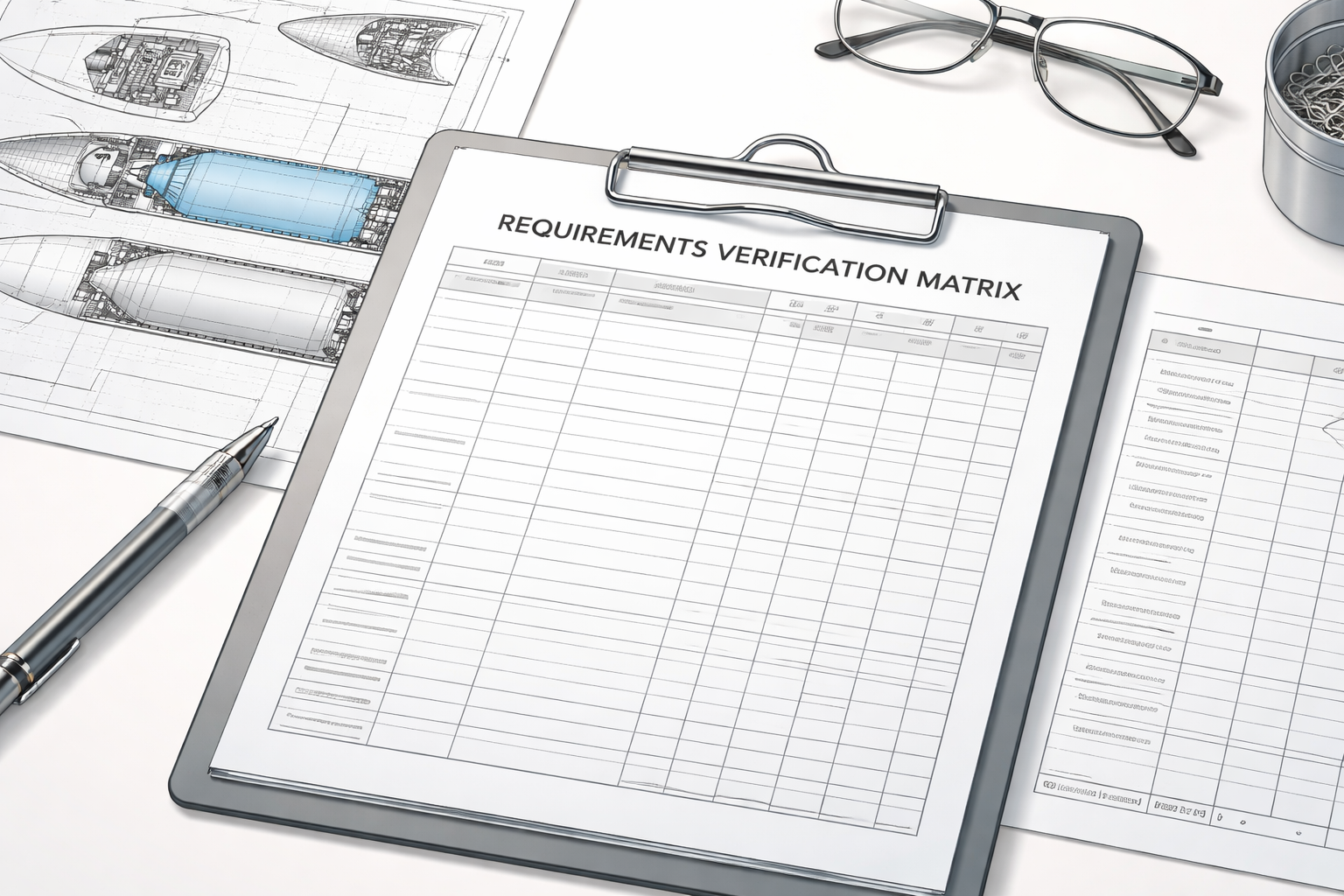
Why this blog exists

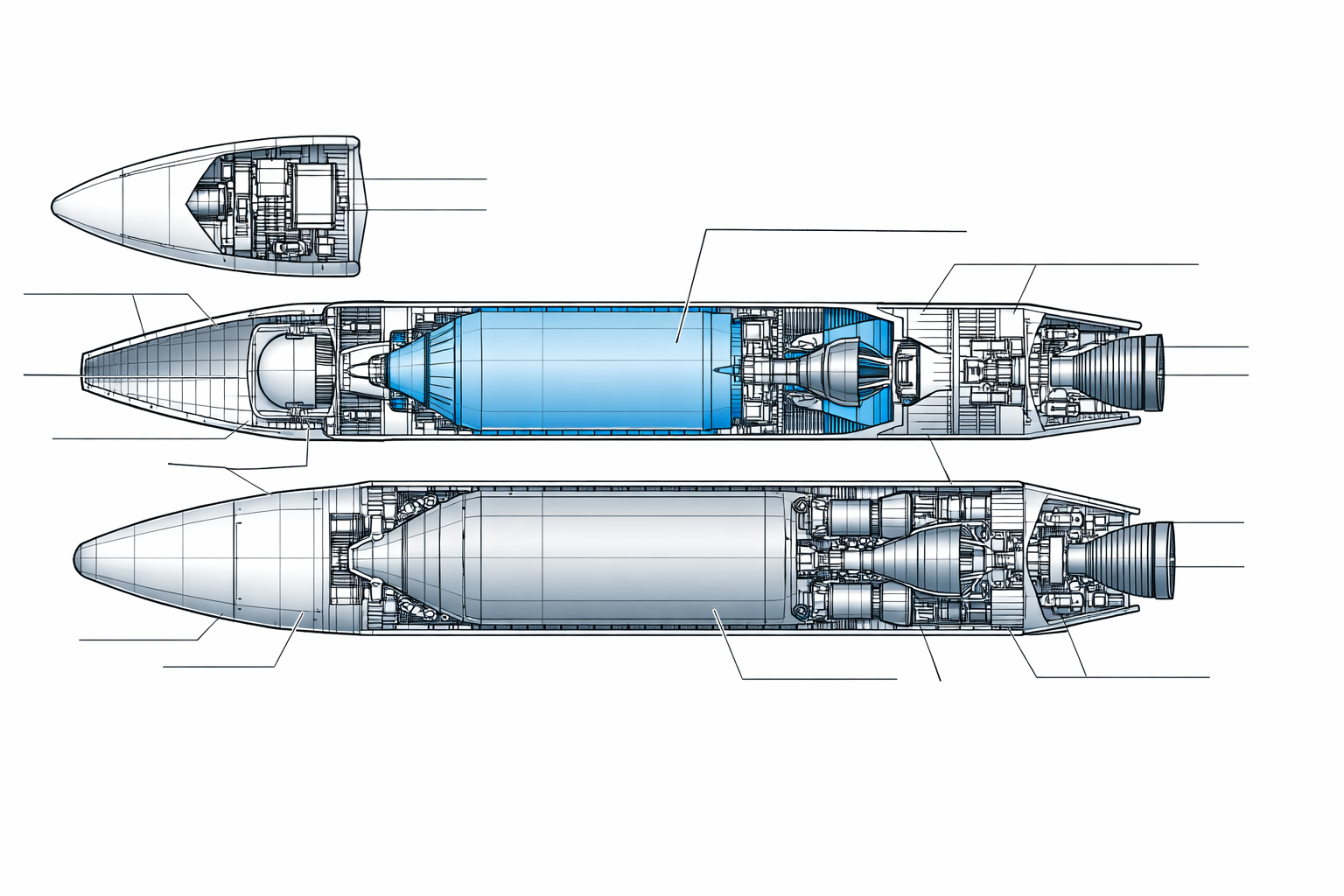
Systems engineering, structural analysis, and the discipline of building complex things correctly.
Most engineering blogs are one of two things. Either a personal notebook where someone documents what they are learning week by week, or a corporate content channel dressed up as independent writing. This is neither.
secondstage.space is a technical log. The posts here work through real engineering problems: requirements structured to ECSS-E-ST-10-06, system architectures modelled in Capella, structural analyses run in ANSYS and Nastran/Femap, orbital mechanics implemented in Python. The intended reader is someone who already works in aerospace systems engineering and wants to think carefully about methodology, not someone looking for an introduction to the field.
The name comes from rocketry. The first stage does the hard initial work and separates. The second stage carries the payload the rest of the way. The work documented here sits in that second phase: formalising and extending a foundation that was built over years of flight-critical structural analysis, ESA programme exposure, and the kind of systems thinking that comes from building complex technical infrastructure from scratch.
Two things are running in parallel. This blog covers the aerospace methodology and analysis work. A companion project at moltenlight.space documents something more ambitious: the ground-up construction of a 1-metre robotic observatory, applying the same SE discipline to a system I am designing and building myself. The two are editorially separate but methodologically linked.
If you work in aerospace systems engineering, structural analysis, or mission design, there will be something here worth reading. The first technical post covers ECSS-E-ST-10-06 requirements structure, with a worked example. It goes up shortly.
Subscribe if you want it in your inbox when it does.